
Common Trapped Moisture Issues That Follow 24 Hour Emergency Flood Cleanup
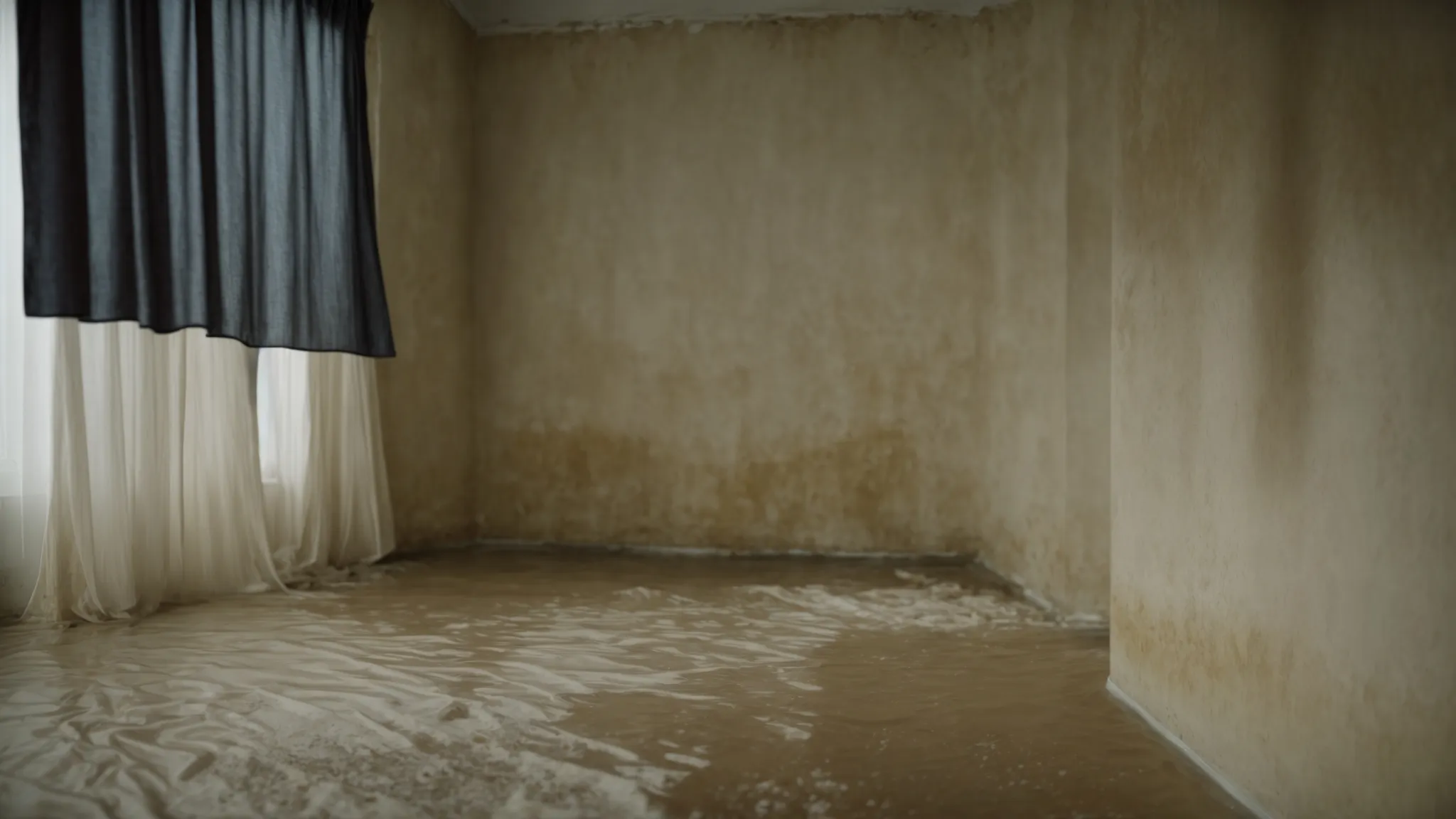
Flooding is a devastating event that demands immediate attention, often leading homeowners and businesses to seek 24 Hour Emergency Flood Cleanup. However, even after the initial cleanup, invisible threats like trapped moisture can linger, setting the stage for mold growth and structural damage. Understanding these hidden issues is crucial for preventing long-term complications. This article explores the common problems associated with trapped moisture after flooding and provides expert insights on effective solutions.
Trapped Moisture Problems After Flood Cleanup

Trapped moisture is a significant concern following a flood cleanup, as it can reside deep within walls, floors, and structural cavities. Despite the best efforts of flood cleanup services, moisture may remain undetected due to inadequate drying or lack of specialized equipment. This is where tools like supply chain visibility tools in flood management come into play, allowing for a comprehensive assessment of affected areas. Without addressing trapped moisture promptly, it can lead to mold proliferation and compromise the structural integrity of a building.
Moreover, trapped moisture can exacerbate existing issues by weakening wooden structures and promoting rust in metal components. Such damage can disrupt business continuity planning, significantly impacting operations and leading to costly repairs. Effective water extraction and drying are pivotal within the first 24–48 hours to mitigate these risks and protect property assets.
According to experts in the field, implementing an operational excellence program during the flood recovery phase ensures that all moisture is effectively addressed, reducing the likelihood of future complications.
Signs of Hidden Moisture and Mold
Identifying hidden moisture is a crucial step in preventing mold and further water damage. Some common indicators include unexplained musty odors, discoloration on walls and ceilings, and peeling paint or wallpaper. A regulatory affairs specialist can provide detailed assessments to detect these signs early. When these symptoms are noticed, it often indicates that moisture has penetrated surfaces and is likely supporting mold growth.
Further investigation with advanced moisture detection tools can reveal areas that might not be visibly affected. This allows property owners to take proactive measures before the situation worsens. Addressing these issues promptly is essential for maintaining a healthy indoor environment and protecting structural components.
Studies have shown that early detection and intervention can reduce remediation costs significantly, underscoring the importance of timely action in flood recovery efforts.
Preventing Mold Growth and Water Damage
To prevent mold growth and subsequent water damage, it is vital to adopt a comprehensive risk assessment framework. This involves evaluating all potential moisture retention points using value stream mapping to identify high-risk areas. Engaging a cross-functional team leader in the cleanup process can further enhance the effectiveness of these strategies by ensuring all aspects of the building’s structure are considered.
Utilizing SLA metrics can help in measuring the efficiency of the cleanup process, ensuring that service providers meet the necessary standards for moisture removal. A coordinated approach involving timely intervention and advanced drying techniques is necessary to forestall mold development and protect property investments.
Research indicates that properties undergoing thorough post-flood assessments and interventions experience fewer issues related to trapped moisture, leading to better long-term outcomes.
Effective Solutions for Post-Flood Moisture Issues
Addressing post-flood moisture issues effectively requires a combination of professional expertise and advanced technology. Just-In-Time Inventory techniques can be adapted to ensure that all necessary equipment is available when needed, speeding up the drying process. Additionally, employing business continuity planning can prevent disruptions by establishing protocols for quick response and recovery.
Utilizing lean Six Sigma methodology can streamline the cleanup process, reducing waste and improving efficiency. This approach ensures that all actions taken are precise and targeted, minimizing the risk of overlooking moisture-prone areas. It is also beneficial to have compliance auditing procedures in place to verify that all post-cleanup measures meet established safety and health standards.
Ultimately, investing in effective moisture management solutions can save property owners from costly repairs and potential health risks associated with mold exposure.
Conclusion

Trapped moisture following a flood cleanup poses significant risks, including mold growth and structural damage. Recognizing the signs of hidden moisture and implementing advanced drying techniques are essential steps in mitigating these dangers. By applying expert-led strategies and embracing innovative solutions, property owners can protect their investments and ensure a safe, dry environment in the aftermath of flooding.