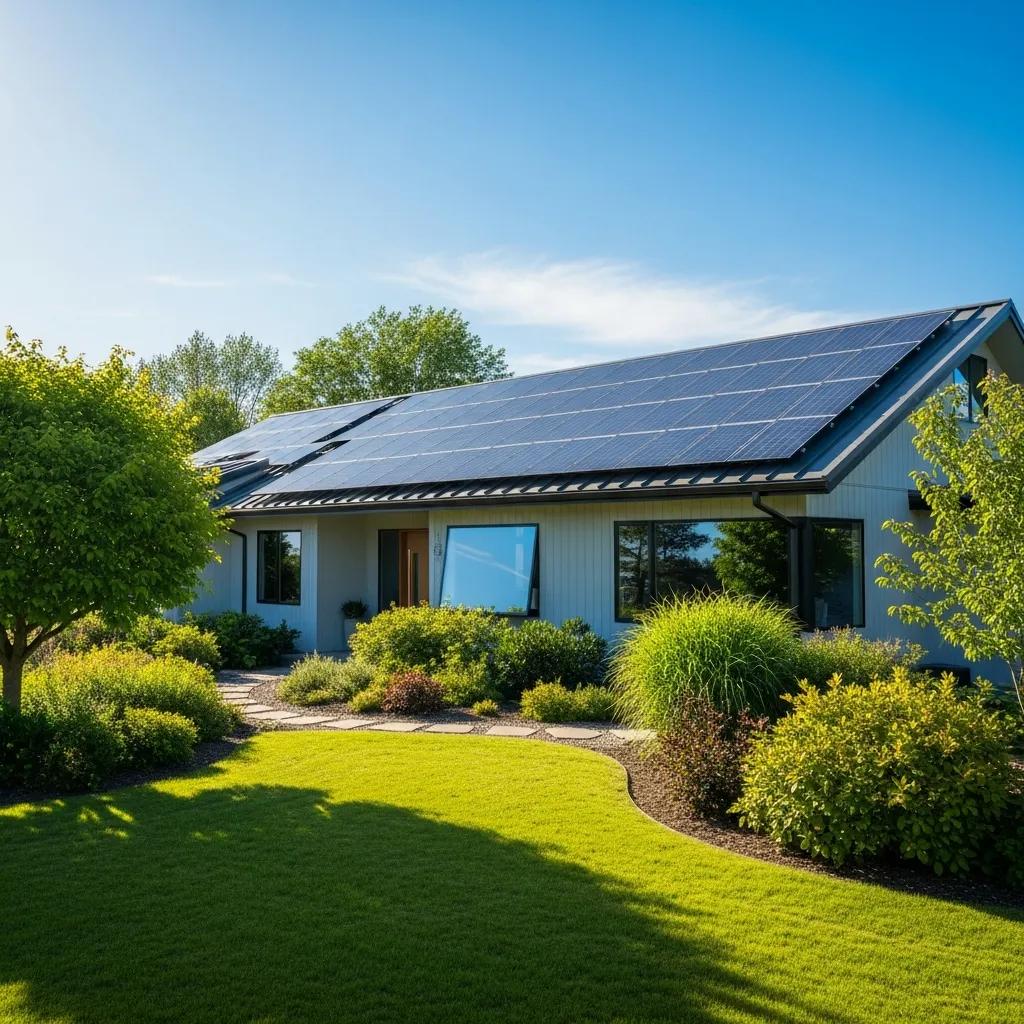
Choose the Best Solar Inverter for Your Home: Complete Comparison Guide
Selecting the right solar inverter for your home is crucial for maximizing the efficiency of your solar power system. With various types of inverters available, understanding their functions, advantages, and limitations can help you make an informed decision. This guide will explore the main types of solar inverters, including string inverters, microinverters, and hybrid inverters, detailing their mechanisms and ideal applications. Additionally, we will discuss efficiency ratings, installation costs, warranty periods, and leading brands in the market. By the end of this article, you will have a comprehensive understanding of how to choose the best solar inverter for your specific needs.
What Are the Main Types of Solar Inverters for Home Use?
Solar inverters are essential components of solar power systems, converting the direct current (DC) generated by solar panels into alternating current (AC) for home use. The three main types of solar inverters for residential applications are string inverters, microinverters, and hybrid inverters. Each type has unique characteristics that make it suitable for different scenarios.
- String Inverters: These are the most common type of inverter used in residential solar systems. They connect multiple solar panels in a series, or “string,” and convert the combined DC output into AC. String inverters are cost-effective and easy to install, making them a popular choice for many homeowners.
- Microinverters: Unlike string inverters, microinverters are installed on each individual solar panel. This allows for independent operation, meaning that if one panel is shaded or underperforming, it does not affect the output of the others. Microinverters can optimize energy production, especially in installations with shading issues.
- Hybrid Inverters: These inverters combine the functionalities of string inverters and battery storage systems. They can manage energy from solar panels, batteries, and the grid, providing flexibility and energy management capabilities. Hybrid inverters are ideal for homeowners looking to incorporate battery storage for backup power.
Understanding these inverter types is the first step in selecting the best solar inverter for your home.
How Do String Inverters Work and When Are They Ideal?
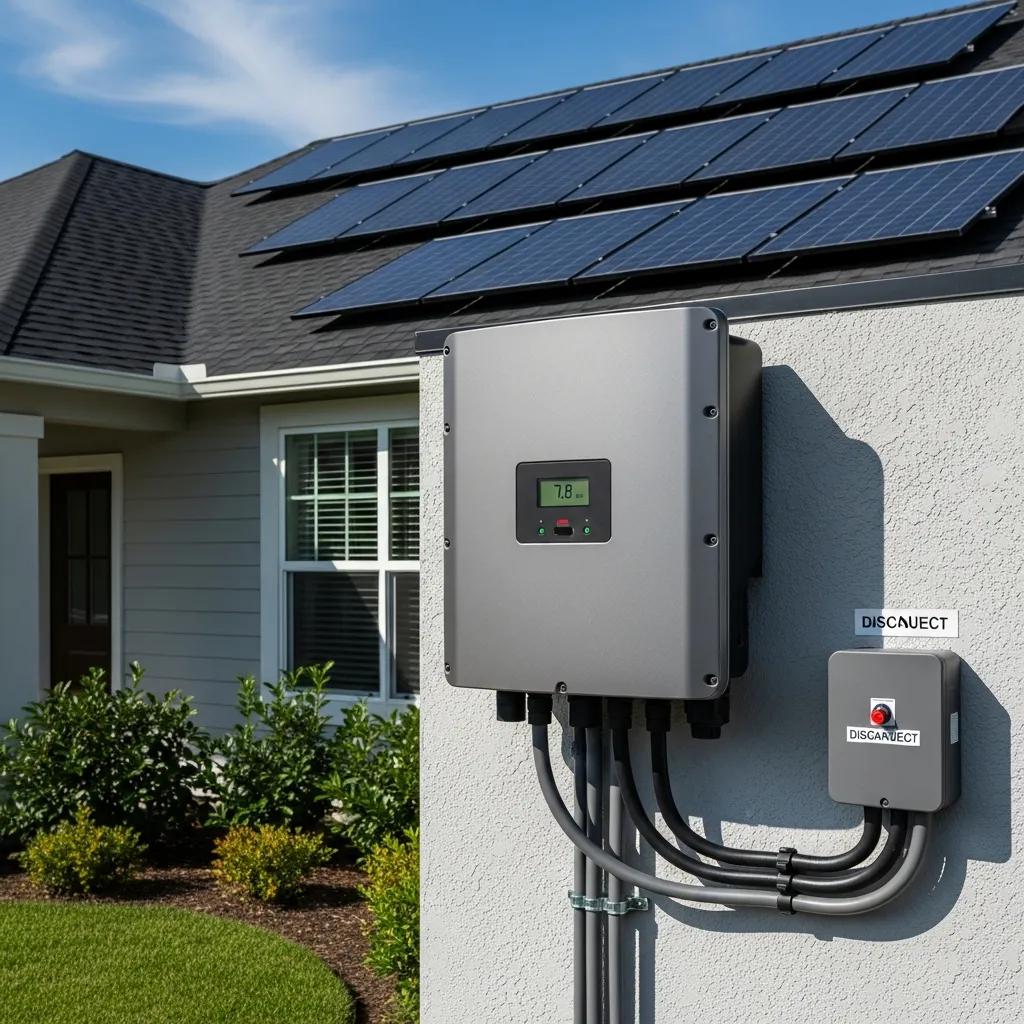
String inverters operate by converting the DC electricity generated by a series of solar panels into AC electricity. This process involves connecting multiple panels in a string, which allows the inverter to manage the combined output. String inverters are ideal for installations where panels receive consistent sunlight and are not shaded by trees or buildings.
The advantages of string inverters include:
- Cost-Effectiveness: They are generally less expensive than microinverters and hybrid systems, making them a budget-friendly option for many homeowners.
- Simplicity: String inverters are easier to install and maintain, as they require fewer components compared to microinverter systems.
However, they do have limitations. If one panel in the string is shaded or malfunctioning, it can reduce the overall performance of the entire string. This makes string inverters less ideal for roofs with shading issues or complex layouts.
What Are the Advantages and Limitations of Microinverters?
Microinverters offer several advantages over traditional string inverters, particularly in terms of energy production and system performance.
- Enhanced Energy Harvesting: Microinverters optimize the output of each solar panel individually, allowing for maximum energy production even if some panels are shaded or dirty. This can lead to a significant increase in overall system efficiency.
- Improved Monitoring: With microinverters, homeowners can monitor the performance of each panel separately. This feature allows for easier troubleshooting and maintenance, as issues can be identified at the panel level.
- Scalability: Microinverter systems can be easily expanded by adding more panels without the need for a complete system overhaul.
Research further emphasizes the benefits of microinverter systems, highlighting their role in optimizing energy harvest and ensuring system safety.
Microinverter Advantages: Efficiency, Installation & Safety
The micro-inverter systems, with advantages in dedicated PV power harvest, flexible system size, simple installation, and enhanced safety characteristics are the future development trend of the PV power generation systems. The double-stage structure which can realize high efficiency with nice regulated sinusoidal waveforms is the mainstream for the micro-inverter.
Optimization and design of photovoltaic micro-inverter, Q Zhang, 2013
However, microinverters also have limitations:
- Higher Initial Costs: The installation of microinverters can be more expensive than string inverters due to the need for multiple units.
- Complex Installation: Installing microinverters requires more time and expertise, which can increase labor costs.
Overall, microinverters are an excellent choice for homeowners with shading issues or those looking for maximum energy efficiency.
How Do Hybrid Solar Inverters Integrate Battery Storage and Smart Features?
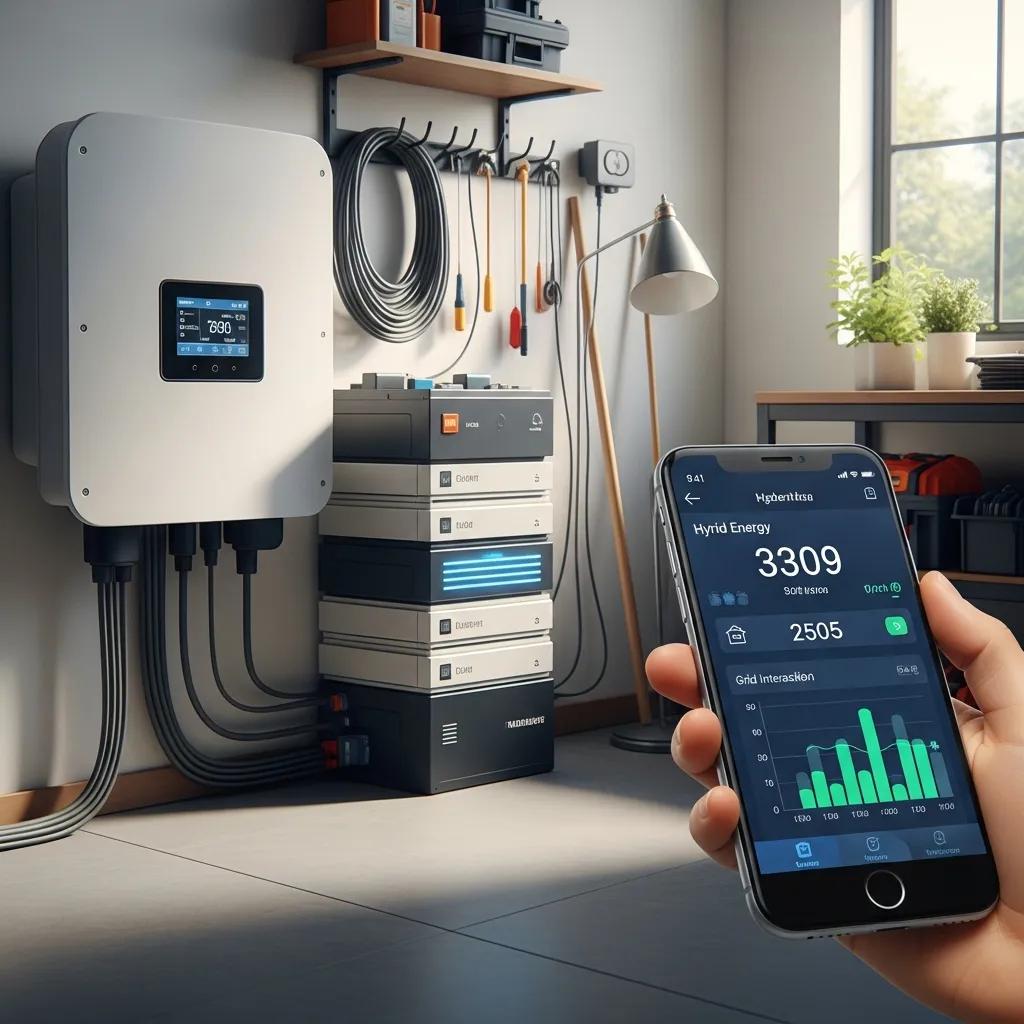
Hybrid solar inverters are designed to work with both solar panels and battery storage systems. They can manage energy from multiple sources, including solar panels, batteries, and the grid, providing homeowners with greater flexibility in energy management.
The integration of battery storage allows homeowners to store excess energy generated during the day for use at night or during power outages. This capability enhances energy independence and can lead to significant savings on electricity bills.
Hybrid inverters also come equipped with smart features that enable homeowners to monitor and control their energy usage through mobile apps or web interfaces. These features can help optimize energy consumption and improve overall system performance.
What Benefits Do Hybrid Inverters Offer for Home Energy Management?
Hybrid inverters provide several benefits for home energy management, including:
- Energy Efficiency: By storing excess energy generated during the day, homeowners can reduce their reliance on the grid and utilize solar energy when it is most needed.
- Cost Savings: Hybrid systems can lead to lower electricity bills by allowing homeowners to use stored energy during peak pricing hours.
- Backup Power: In the event of a power outage, hybrid inverters can provide backup power by drawing from the stored energy in batteries, ensuring that essential appliances remain operational.
These benefits make hybrid inverters an attractive option for homeowners looking to enhance their energy management capabilities.
How Do Hybrid Inverters Support Grid Interaction and Backup Power?
Hybrid inverters facilitate interaction with the grid by allowing homeowners to sell excess energy back to the utility company. This process, known as net metering, can provide additional savings and revenue for homeowners with solar systems.
In addition to grid interaction, hybrid inverters offer backup power capabilities. When the grid goes down, hybrid inverters can automatically switch to battery power, ensuring that critical appliances remain operational. This feature is particularly valuable for homeowners in areas prone to power outages.
The ability to manage energy from multiple sources and provide backup power makes hybrid inverters a versatile choice for modern energy needs.
What Are the Key Efficiency Ratings and Performance Metrics for Solar Inverters?
When evaluating solar inverters, several key efficiency ratings and performance metrics should be considered:
- Efficiency Rating: This metric indicates how effectively an inverter converts DC electricity to AC electricity. Higher efficiency ratings (typically above 95%) indicate better performance.
- Maximum Power Point Tracking (MPPT): This feature allows inverters to optimize energy production by adjusting the electrical load to maximize output from solar panels.
- Total Harmonic Distortion (THD): This rating measures the quality of the AC output. Lower THD values indicate cleaner power, which is essential for protecting sensitive electronics.
Understanding these metrics can help homeowners select an inverter that meets their energy needs and maximizes system performance.
How Does Solar Inverter Efficiency Impact Home Energy Output?
The efficiency of a solar inverter directly impacts the overall energy output of a solar power system. Higher efficiency ratings mean that more of the energy generated by solar panels is converted into usable electricity. This can lead to increased energy savings and a faster return on investment.
For example, a solar inverter with a 98% efficiency rating will convert 98% of the DC electricity generated by solar panels into AC electricity, while a 90% efficient inverter will waste 10% of the energy. Over time, this difference can result in significant energy losses and reduced savings.
Homeowners should prioritize high-efficiency inverters to maximize their solar energy production and overall system performance.
What Are Typical Noise Levels and Power Outputs to Consider?
When selecting a solar inverter, it is essential to consider both noise levels and power outputs. Most modern inverters operate quietly, with noise levels typically ranging from 30 to 50 decibels. This is comparable to the sound of a quiet conversation or a refrigerator running.
Power output is another critical factor. Inverters are rated based on their maximum output capacity, which should match or exceed the total output of the solar panels in the system. Homeowners should ensure that their inverter can handle the expected power load to avoid performance issues.
How Do Installation Costs, Warranty Periods, and Maintenance Affect Solar Inverter Choice?
Several factors influence the choice of solar inverters, including installation costs, warranty periods, and maintenance requirements.
Further research underscores the ongoing importance of evaluating inverter cost and performance in residential solar applications.
Residential Solar Inverter Cost & Performance Research
since PV inverter cost and performance in residential Solar System Application is a controversial subject, it always needs to be researched to encounter the challenges of cost competitions especially with environmentally polluted fossil fuel energy expense. This research proposes a fundamentally novel solutions for utilizing the unavoidable solar system losses by the hypothesis of dispensing the power converters in domestic application of home solar system.
DC loads matching technique as an alternative to AC inverter in residential solar system application evaluation and comparison, AH Sabry, 2015
What Are Typical Installation Costs for Different Inverter Types?
Installation costs can vary significantly based on the type of inverter chosen. Generally, string inverters are the most cost-effective option, with installation costs typically ranging from $1,000 to $3,000. Microinverters and hybrid inverters tend to have higher installation costs due to their complexity, often ranging from $2,000 to $5,000.
Indeed, studies confirm that the initial investment for microinverter systems can be higher compared to traditional central inverters.
Microinverter vs. Central Inverter Installation Costs
used in the system along with higher installation costs. For instance, -inverters in a residential PV system compared to one 3–10 kWp central inverter will result in a higher start-up cost.
The effect of inverter failures on the return on investment of solar photovoltaic systems, HA Khan, 2017
How Do Warranty Periods and Maintenance Requirements Compare?
Warranty periods for solar inverters typically range from 5 to 10 years, depending on the manufacturer and model. String inverters often come with shorter warranties, while microinverters and hybrid inverters may offer longer coverage due to their advanced technology.
Maintenance requirements also vary. String inverters generally require less maintenance, while microinverters may need more frequent checks to ensure optimal performance. Homeowners should consider these factors when selecting an inverter to ensure long-term reliability and performance.
Which Brands Lead the Market in Solar Inverter Technology and Reliability?
Several brands are recognized for their innovation and reliability in the solar inverter market. Leading manufacturers include:
- SolarEdge: Known for its advanced power optimizers and high-efficiency string inverters, SolarEdge is a market leader in solar technology.
- Enphase: A pioneer in microinverter technology, Enphase offers reliable and efficient solutions for residential solar systems.
- SMA: With a long history in the solar industry, SMA provides a range of inverters known for their durability and performance.
- Fronius: This brand is recognized for its high-quality string inverters and innovative features that enhance energy management.
- Huawei: A newer player in the market, Huawei offers competitive hybrid inverters with advanced smart features.
These brands have established themselves as leaders in solar inverter technology, providing homeowners with reliable options for their solar power systems.
What Are the Strengths of SolarEdge, Enphase, SMA, and Other Top Brands?
Each leading brand in the solar inverter market has its strengths:
- SolarEdge: Offers superior monitoring capabilities and power optimizers that enhance energy production.
- Enphase: Provides excellent scalability and performance monitoring at the panel level.
- SMA: Known for robust and reliable inverters with a strong warranty program.
- Fronius: Offers innovative features and high efficiency, making them a popular choice among homeowners.
- Huawei: Combines advanced technology with competitive pricing, appealing to budget-conscious consumers.
Understanding the strengths of these brands can help homeowners make informed decisions when selecting a solar inverter.
How Do Customer Reviews Reflect Brand Performance and Satisfaction?
Customer reviews play a crucial role in assessing the performance and satisfaction levels associated with different solar inverter brands. Positive reviews often highlight reliability, efficiency, and customer service, while negative reviews may point to issues with installation or performance.
Homeowners should consider customer feedback when evaluating inverter options, as it can provide valuable insights into real-world performance and user experiences. Additionally, researching independent reviews and ratings can help homeowners identify the best brands for their specific needs.
By understanding the various types of solar inverters, their advantages and limitations, and the leading brands in the market, homeowners can make informed decisions that maximize their solar energy investment.