
How to Calculate Your Solar Panel ROI: A Complete Guide for Homeowners
Calculating the return on investment (ROI) for solar panels is essential for homeowners considering this renewable energy source. Understanding the financial implications can help you make informed decisions about your energy future. This comprehensive guide will walk you through the key factors that influence solar panel ROI, including installation costs, financing options, energy savings, and government incentives. Many homeowners struggle with the upfront costs and long-term savings associated with solar energy. By breaking down these components, you can see how solar panels can be a worthwhile investment. We will explore the costs involved in installation, how to calculate energy savings, the impact of financing options, and the various incentives available in 2023.
What Are the Key Costs Involved in Solar Panel Installation?
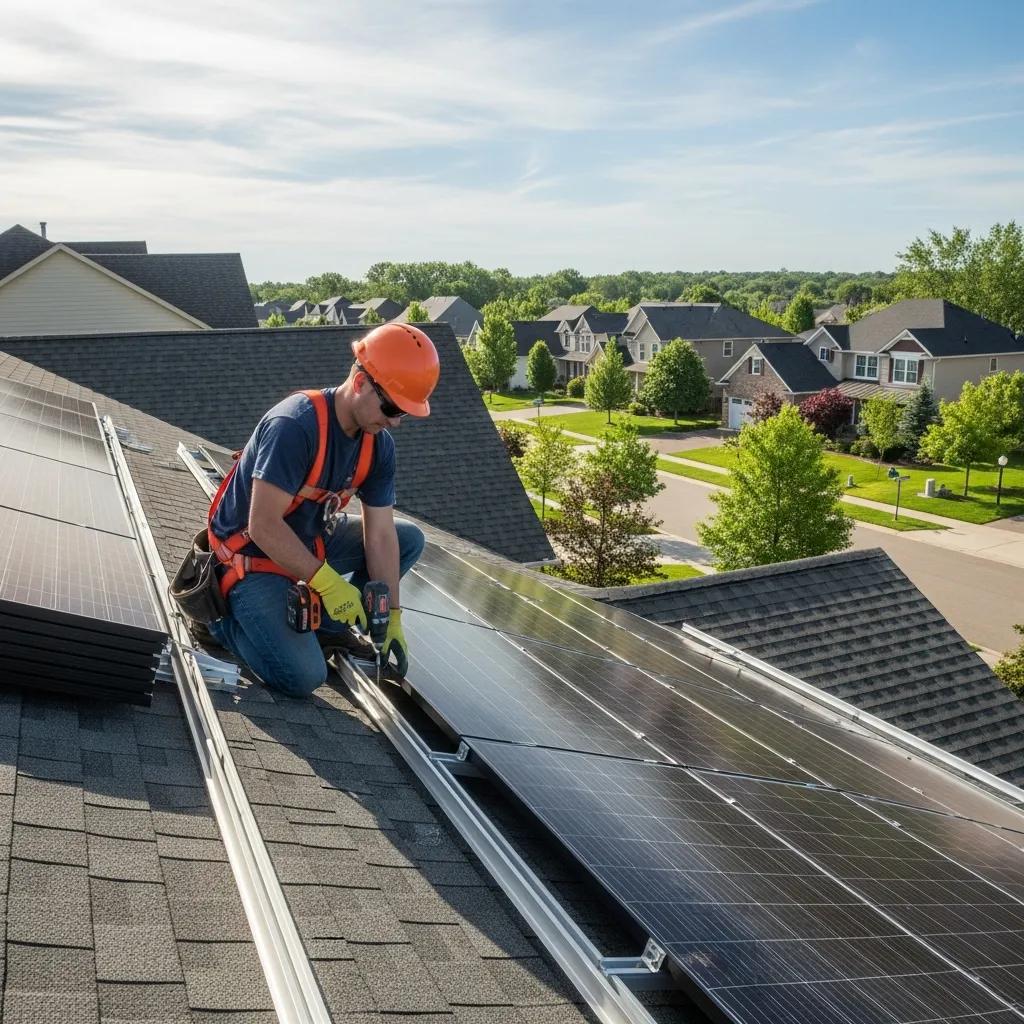
The costs associated with solar panel installation can vary significantly based on several factors. Understanding these costs is crucial for calculating your potential ROI. Key components include installation costs, equipment costs, and permitting and inspection fees.
- Installation Costs: These are the labor costs associated with setting up the solar panel system. They can vary based on the complexity of the installation and the local labor market.
- Equipment Costs: This includes the price of solar panels, inverters, and other necessary equipment. The quality and efficiency of the equipment can significantly impact overall costs.
- Permitting and Inspection Fees: Local regulations often require permits and inspections, which can add to the total cost of installation.
By understanding these costs, homeowners can better assess the financial viability of solar energy.
How Do Installation and Maintenance Costs Affect Solar Panel ROI?
Installation and maintenance costs play a significant role in determining the ROI of solar panels. High initial costs can deter homeowners, but understanding the long-term savings can shift this perspective.
- Long-term Cost Implications: While the upfront investment may be substantial, solar panels can lead to significant savings on energy bills over time.
- Maintenance Frequency: Regular maintenance is necessary to ensure optimal performance. However, solar systems generally require minimal maintenance, which can reduce long-term costs.
- Impact on Overall Savings: The lower the maintenance and installation costs, the higher the potential savings, enhancing the overall ROI.
Understanding these factors can help homeowners make informed decisions about their solar investments.
What Financing Options Are Available for Solar Panel Installation?
Homeowners have several financing options available to make solar panel installation more affordable. These options can significantly impact the overall ROI.
- Loans: Many financial institutions offer loans specifically for solar panel installation, allowing homeowners to spread the cost over time.
- Leases: Solar leases allow homeowners to pay a fixed monthly fee for using solar panels without the upfront costs of purchasing them.
- Power Purchase Agreements (PPAs): With a PPA, homeowners pay for the electricity generated by the solar panels at a predetermined rate, which can be lower than their current utility rates.
These financing options can make solar energy more accessible and improve the potential ROI.
How Can You Calculate Energy Savings and the Solar Payback Period?

Calculating energy savings and the solar payback period is essential for understanding the financial benefits of solar panels.
The payback period is the time it takes for the savings from solar energy to equal the initial investment. To calculate this, you can use the following formula:
- Payback Period (Years) = Total Installation Cost / Annual Energy Savings
Factors affecting energy savings include the size of the solar system, local electricity rates, and the amount of sunlight your location receives.
For example, if your total installation cost is $15,000 and you save $1,500 annually on your energy bills, your payback period would be:
- Payback Period = $15,000 / $1,500 = 10 years
This calculation helps homeowners understand when they can expect to start seeing a return on their investment.
What Methods Are Used to Estimate Solar Energy Cost Savings?
Estimating solar energy cost savings involves several methods that can provide homeowners with a clearer picture of their potential ROI.
- Historical Data Analysis: Reviewing past energy bills can help estimate future savings based on current rates and usage.
- Energy Production Estimates: Solar energy production can be estimated using tools that consider the size of the system and local solar irradiance data.
- Utility Rate Comparisons: Comparing current utility rates with projected savings from solar energy can help homeowners understand the financial benefits.
These methods provide a comprehensive approach to estimating potential savings from solar energy.
How Is the Solar Panel Payback Period Determined?
The solar panel payback period is determined by several factors that influence both the initial investment and the savings generated.
- Definition of Payback Period: The payback period is the time it takes for the savings from solar energy to cover the initial costs of installation.
- Factors Influencing Payback Period: Key factors include installation costs, energy savings, and available incentives.
- Typical Ranges for Payback Periods: Generally, payback periods can range from 5 to 15 years, depending on the specifics of the installation and local energy costs.
Understanding these factors can help homeowners gauge the financial viability of their solar investments.
What Government Incentives and Tax Credits Affect Solar Panel ROI in 2023?
Government incentives and tax credits can significantly enhance the ROI of solar panel installations.
- Federal Tax Credits: Homeowners can benefit from federal tax credits that reduce the overall cost of installation.
- State Incentives: Many states offer additional incentives, such as rebates or tax credits, to encourage solar adoption.
- Local Rebates: Some local governments provide rebates for solar installations, further reducing upfront costs.
These incentives can make solar energy more affordable and improve the overall ROI.
Which 2023 Solar Incentives Can Homeowners Claim?
In 2023, homeowners can claim several specific incentives that can enhance their solar investments.
- Eligibility Criteria: Homeowners must meet certain criteria to qualify for federal and state incentives, including installation standards and system size.
- Application Process: The application process for these incentives can vary by state and locality, often requiring documentation of installation and costs.
- Potential Savings: By taking advantage of these incentives, homeowners can significantly reduce their initial investment, leading to a quicker payback period.
Understanding these incentives is crucial for maximizing the financial benefits of solar energy.
How Do Tax Credits Increase Your Solar Investment Returns?
Tax credits play a vital role in enhancing the ROI of solar panel installations.
- Types of Tax Credits: Federal and state tax credits can reduce the overall cost of installation, making solar energy more accessible.
- Impact on Overall Investment: By lowering the initial investment, tax credits can shorten the payback period and increase overall savings.
- Long-term Benefits: Homeowners who utilize tax credits can see substantial long-term financial benefits, making solar energy a more attractive option.
These credits are essential for maximizing the financial returns on solar investments.
How Do Solar Panel Lifespan and Efficiency Impact Your Investment?
The lifespan and efficiency of solar panels are critical factors that influence ROI.
- Average Lifespan of Solar Panels: Most solar panels have a lifespan of 25-30 years, which means they can provide long-term savings.
- Efficiency Ratings: Higher efficiency panels can generate more electricity, leading to greater savings on energy bills.
- Impact on Energy Production: The more efficient the panels, the more energy they produce, which directly affects the overall ROI.
Understanding these factors can help homeowners choose the right solar panels for their needs.
What Is the Typical Lifespan of Residential Solar Panels?
Residential solar panels typically have a lifespan of 25-30 years, making them a long-term investment.
- Average Lifespan: Most panels are designed to last at least 25 years, with many still operating efficiently beyond that timeframe.
- Factors Affecting Lifespan: Environmental conditions, maintenance, and the quality of the installation can all impact the longevity of solar panels.
- Warranty Considerations: Many manufacturers offer warranties that guarantee performance for a certain number of years, providing additional peace of mind for homeowners.
This longevity is a significant factor in the overall ROI of solar energy systems.
How Do Efficiency Improvements Affect Solar Panel Profitability?
Efficiency improvements in solar panels can greatly enhance profitability.
- Recent Efficiency Advancements: Technological advancements have led to the development of more efficient solar panels, which can generate more electricity from the same amount of sunlight.
- Cost-benefit Analysis: Higher efficiency panels may come with a higher upfront cost, but the increased energy production can lead to greater savings over time.
- Market Trends: As efficiency improves, the market for solar panels continues to grow, making them a more attractive investment for homeowners.
These improvements can significantly impact the financial returns of solar energy systems.
What Strategies Can Maximize Your Solar System Investment Analysis?
Maximizing your solar system investment requires careful planning and analysis.
- Regular Maintenance: Keeping your solar panels clean and well-maintained can ensure optimal performance and longevity.
- Monitoring Energy Production: Regularly checking energy production can help identify any issues early, ensuring that the system operates efficiently.
- Utilizing Incentives: Taking advantage of available incentives can significantly reduce costs and improve ROI.
Implementing these strategies can help homeowners maximize their solar investments.
How Can You Use Solar ROI Calculators for Accurate Investment Analysis?
Solar ROI calculators are valuable tools for homeowners looking to analyze their potential investments.
- Types of Calculators: Various online calculators can help estimate costs, savings, and payback periods based on specific inputs.
- Input Parameters: Homeowners typically need to input data such as installation costs, local electricity rates, and system size to get accurate estimates.
- Interpreting Results: Understanding the output from these calculators can help homeowners make informed decisions about their solar investments.
Using these tools can provide a clearer picture of the financial benefits of solar energy.
What Financing and Investment Options Enhance Solar Panel Profitability?
Several financing and investment options can enhance the profitability of solar panels.
- Investment Strategies: Homeowners can explore various investment strategies, such as purchasing, leasing, or entering into a PPA, to find the best fit for their financial situation.
- Financing Models: Different financing models can affect the overall cost and savings associated with solar energy.
- Long-term Planning: Considering long-term energy needs and potential changes in utility rates can help homeowners make better investment decisions.
These options can significantly impact the overall profitability of solar energy systems.